Two workers burnt in separate refuelling incidents
The purpose of this Safety Alert is to highlight the risk of fires and serious burn injuries during refuelling of petrol-powered equipment.
Background
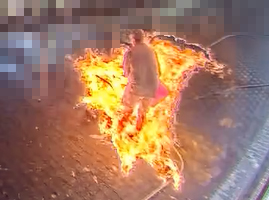
Two Territory workers were seriously burnt last month in separate incidents while refuelling petrol powered pressure cleaners.
The first incident occurred at a worksite in the Coomalie Shire where a worker using a pressure washer had run the equipment dry of fuel. During refuelling using a 20 litre Jerry Can, the petrol ignited burning the worker and damaging the equipment.
The second incident occurred at a worksite in Darwin. During this incident, the worker also ran the pressure washer dry of fuel. During refuelling, where the worker also used a 20 litre Jerry Can, petrol was spilled onto the pressure washer causing the fuel to ignite.
Possible contributing factors
- In both incidents the engine was not given time to cool down before refuelling.
- Petrol was splashed onto the hot engine parts during refuelling.
- The refuelling was done using a 20 litre Jerry Can which may have been difficult to handle.
- In both incidents, the hose connected to the pressure washer was used to put out the flames. Using water would have spread the burning petrol, making the fire worse.
Action required
- Refer to manufacturer instructions for the safe operations of the equipment.
- Refer to the Safety Data Sheet for any hazardous chemicals such as petrol to be used.
- Ensure a risk assessment is carried out before commencing any work.
- Ensure safe work procedures are developed in consultation with workers.
- When using fuel-driven equipment, always allow the plant or equipment to cool down before attempting to refuel.
- The autoignition temperature of petrol is between 247°C to 280°C which means a surface at this temperature can ignite the fuel and a naked flame is not required to cause the fire.
- Use a large funnel to prevent fuel spilling.
- Use smaller (5 or 10 litres) Jerry Cans which are easier to handle before refuelling the plant or equipment.
- Ensure a Class B fire extinguisher is available during refuelling to put out any petrol fires.
Further information
For further information, please refer to the following:
Safety Alerts
Codes of Practice
Disclaimer
This Safety Alert contains safety information following inquires made by NT WorkSafe about an incident or unsafe practice. The information contained in this Alert does not necessarily include the outcome of NT WorkSafe’s action with respect to an incident. NT WorkSafe does not warrant the information in this Alert is complete or up-to-date and does not accept any liability for the information in this report or as to its use.